
Shipping Samples and Bulk Orders from China: When to Use Express, Air or Sea Freight
Samples and bulk orders should be decided separately, because their priorities differ. For samples you usually want speed and certainty to verify product before committing, so express courier (DHL/FedEx/UPS) or air makes sense even at higher cost, since the parcel is small and the decision it unlocks is large. For bulk, cost per unit dominates, so sea (LCL or FCL) is the default and air is reserved for stockouts or high-margin goods. The lever for both is chargeable weight: express and air bill on the greater of actual and volumetric weight (express often divides by 5000), while sea bills on CBM or weight tons, so a bulky sample can cost more than its kilos suggest. Time need, import purpose (testing versus resale) and your stockout risk decide the mode; do not apply one rule to both. Splitting — sample by air, bulk by sea — is the normal pattern.
- Decide samples and bulk separately; their cost-versus-speed priorities differ.
- Samples: speed to verify, so express/air is justified despite higher cost.
- Bulk: unit cost dominates, so sea (LCL/FCL) is the default; air only for stockouts.
- Chargeable weight drives both: express/air use volumetric weight, sea uses CBM.
- The normal pattern is sample-by-air, bulk-by-sea — a split shipment.
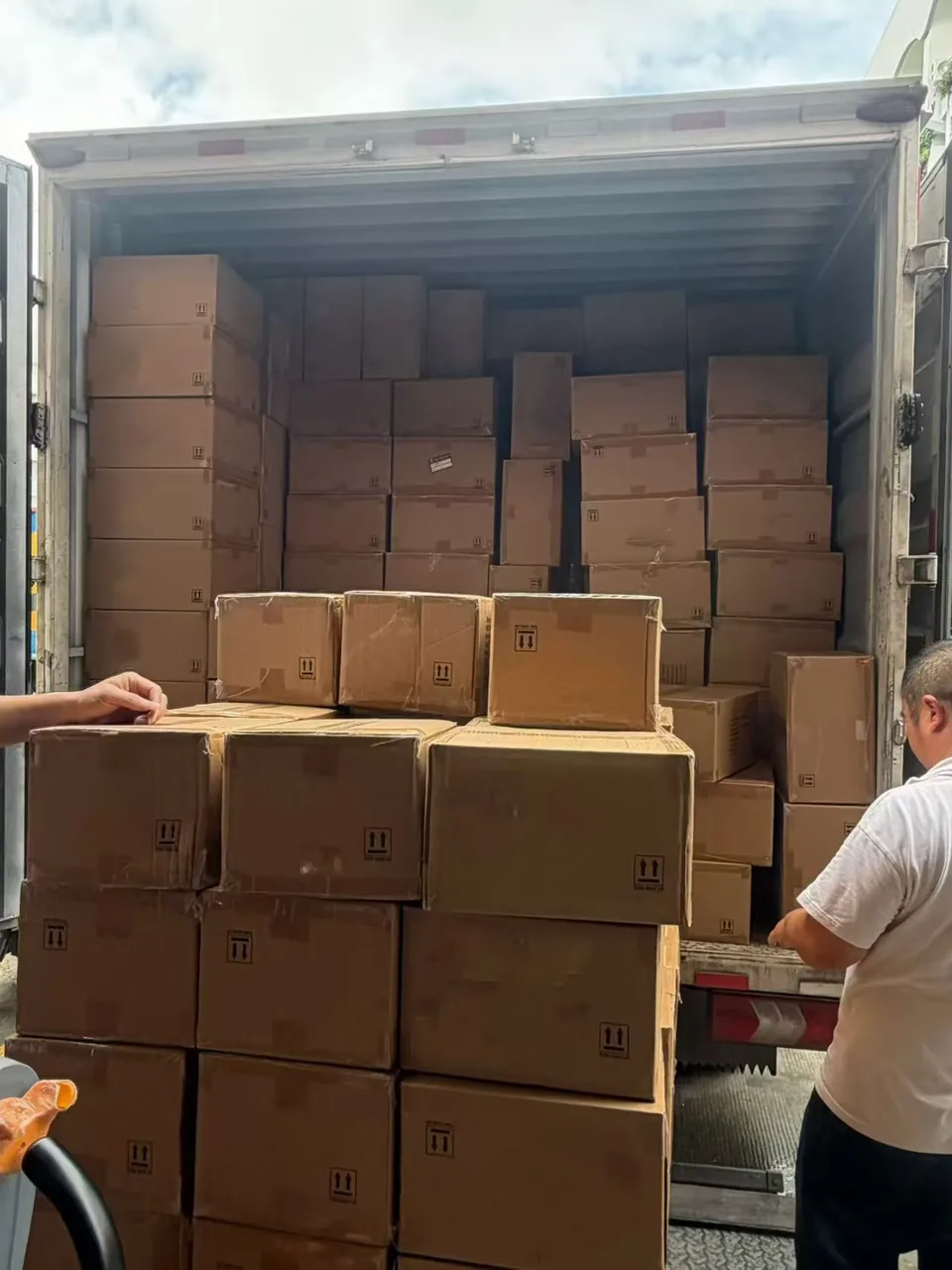
On this page
Two decisions, not one
Importers often ask 'should I ship by air or sea?' as if one answer fits the whole order. It does not. A sample parcel exists to let you check quality and labeling before you risk a bulk order; a bulk order exists to stock inventory at the lowest unit cost. The right mode for the sample (fast, even pricey) is usually wrong for the bulk (slow, cheap), and vice versa. Treat them as two shipments with two briefs.
Shipping the sample
A sample is small, urgent in value-protection terms (it unlocks a large order), and tolerant of high per-kg cost because the weight is tiny. Express courier is the natural choice: predictable days, door-to-door, with tracking. Air freight via a forwarder works for slightly larger sample batches. The test is simple: if receiving the sample two days later versus a week later changes whether you place the bulk order, pay for speed.
- Use express courier for single samples and small batches.
- Use air freight for sample batches too big for a courier envelope.
- Confirm the supplier's sample matches the production spec before bulk.
- Keep samples out of the bulk shipment so they arrive in time to decide.
Shipping the bulk order
Bulk is where unit cost matters, so sea is the default. LCL serves smaller bulk; FCL serves volume. Air is reserved for a genuine stockout or high-margin SKU where the lost-sale cost exceeds the air premium. The discipline that protects margin is a standing reorder and safety buffer so most bulk travels by sea and only emergencies fly.
Chargeable weight shapes both calls
Both express and air bill on chargeable weight — the greater of actual gross weight and volumetric weight (express often divides dimensions by 5000, air by 6000). A bulky sample box can therefore cost more than its kilos imply. Sea bills on CBM or weight tons, so the same bulky box is far cheaper by sea — which is exactly why bulky bulk belongs on the ocean and only tiny, urgent samples fly.
| Mode | Billing basis | Effect on a bulky sample |
|---|---|---|
| Express (/5000) | Greater of kg and CBM x 200 | High — volumetric weight bites |
| Air (/6000) | Greater of kg and CBM x 167 | Moderate — still volumetric |
| Sea LCL | Greater of CBM and weight tons | Low — volume is cheap |
Time need and import purpose
The decision filter is: what is the consequence of delay, and what is the goods' purpose? A sample needed to approve production should fly. Bulk needed in 60 days should sail. Bulk needed in 10 days because you are out of stock should fly only if the margin covers it. Matching mode to purpose, not to habit, is the whole skill.
Splitting the shipment
The common, healthy pattern is a split: sample by express/air to decide, then bulk by sea once approved. This separates the 'verify' cost from the 'stock' cost and avoids the mistake of air-freighting the entire bulk just because the sample was urgent. Coordinate the two so the bulk ready date follows the sample approval, not the other way around.
Common mistakes
- Air-freighting the whole bulk because the sample was urgent.
- Sending the sample inside the bulk shipment, so it arrives too late to decide.
- Forgetting express bills on volumetric weight, not kilos, for bulky samples.
- No safety buffer, forcing panic-air restocks that erode margin.
Next steps
Tell us your sample and bulk plans — sizes, ready dates and stockout risk — and we will route the sample by express/air and the bulk by the right sea mode, with the split timed so approval precedes the ocean booking.