
DDP Sea Shipping for Amazon FBA Inventory to the USA
Illustrative shipping scenario. Shipment details and timelines are examples.
Duty-paid FBA replenishment — 150 cartons / 6,000 battery-free units — consolidated in Shenzhen, shipped by sea and delivered on appointment to the assigned US fulfillment center in 30–40 days.
Scenario Overview
A cross-border seller restocking Amazon inventory wants goods that arrive duty-paid, correctly labeled and check-in ready — without touching US customs. This scenario moves 150 cartons (6,000 units) of battery-free phone stands and ordinary electronic accessories from a Shenzhen consolidation warehouse by sea to the US West Coast, clears entry under a DDP arrangement, and delivers on appointment to the Amazon fulfillment center assigned in the seller's shipment plan. The 30–40 day target deliberately covers the ocean leg, clearance and the FC appointment window, because the appointment — not the vessel — often decides the final week.
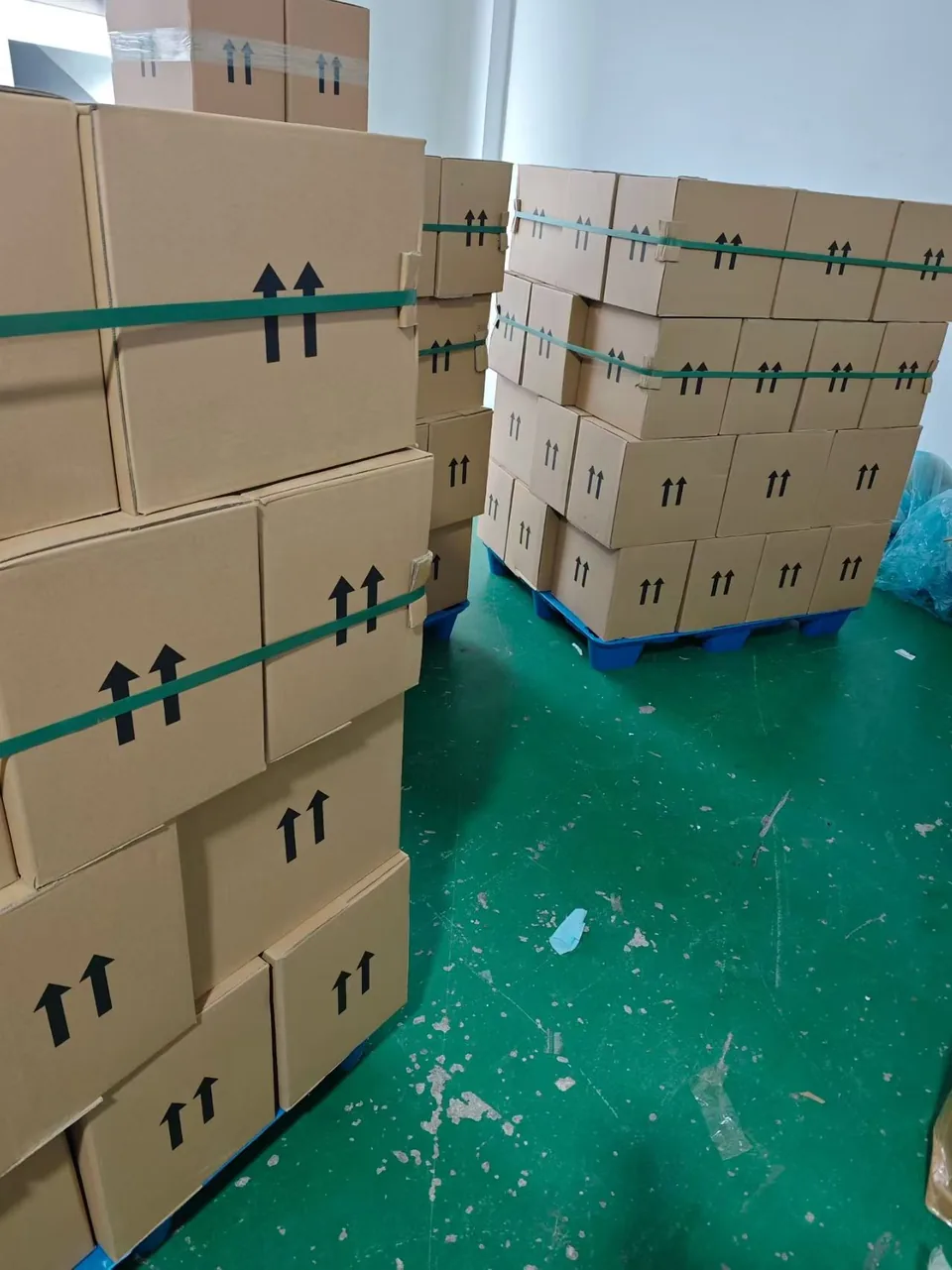
Operation photo — it shows a typical handling step of this shipment type, not the example batch described here.
Shipment at a Glance
| Route | Shenzhen consolidation warehouse → US West Coast port (Los Angeles) → assigned Amazon fulfillment center |
| Transport mode | Ocean consolidation with DDP arrival and FC delivery on appointment |
| Cargo | Phone stands and ordinary electronic accessories, battery-free |
| Quantity | 150 cartons / 6,000 units |
| Gross weight | 1,800 kg |
| Volume | 12 CBM |
| Planned gate-in | July 6, 2026 (example plan date) |
| Target check-in window | 30–40 calendar days (ocean, clearance and FC appointment) |
Customer Requirements
- Inventory must arrive as sellable FBA stock: a correct FNSKU on every unit carton, compliant box labels, and Amazon's carton limits respected.
- Customs and duty handled under the DDP scope, so the seller does not need a US importer setup for this flow.
- SKU counts reconciled at the consolidation warehouse before anything ships.
- A delivery appointment at the assigned fulfillment center, and a check-in record when Amazon receives the freight.
Key Challenges
- Label integrity — 150 cartons must carry correct FNSKU and box labels that match the Seller Central shipment plan, or the FC can refuse the freight.
- Clearance responsibility — DDP moves duty and tax into the quoted landed cost, so classification and declared value must be fixed before the vessel sails.
- Appointment dependency — FC receiving slots are booked in Amazon's system; the final delivery days follow the appointment, not the shipper.
- Port-to-FC handoff — arrival at the US port is a milestone, not the finish line; inland trucking and the check-in record complete the plan.
Proposed Shipping Plan
- Receiving and SKU count. Goods are received into the Shenzhen consolidation warehouse and counted against the seller's SKU list. Discrepancies are resolved before labeling begins, while corrections are still cheap.
- FNSKU and box label checks. Every unit carton gets its FNSKU, and box labels carry the shipment reference and carton sequence from the shipment plan. Carton weights and dimensions are checked against Amazon's limits.
- Palletizing and export. Cartons are palletized and wrapped for the ocean leg; the export declaration is lodged and released before the July 6 planned gate-in.
- Ocean main leg. Sea consolidation to the US West Coast — an example span of roughly three weeks on this lane.
- US arrival under DDP. Entry is filed with duties and taxes handled inside the agreed DDP scope; classification and declared value were fixed before departure.
- FC delivery and check-in. Trucking to the assigned fulfillment center on the Amazon appointment. The file closes with the FC's receiving confirmation — the true end of the 30–40 day window.
Example Timeline
| Phase | Example timing | Notes |
|---|---|---|
| Warehouse receiving, SKU count and labeling | Day 0–3 | Parallel: the FC appointment is requested in the seller's shipment plan. |
| Palletizing, export release and gate-in | Day 3–5 | Planned gate-in: July 6, 2026. |
| Ocean transit to the US West Coast | Day 5–28 | Example span of roughly three weeks on this lane. |
| Arrival, entry and release under DDP | Day 28–32 | Duties and taxes handled inside the agreed DDP scope. |
| Inland trucking and FC delivery on appointment | Day 32–38 | The appointment date governs this step. |
| FC check-in confirmation | Day 38–40 | Marks the end of the check-in window — not the port arrival. |
Days are counted from cargo readiness at the Shenzhen warehouse. Stages marked “parallel” can overlap; the rows add up to the 30–40 day check-in window.
Documents & Preparation
- Commercial invoice — Value and description behind the entry and the DDP duty calculation.
- Packing list — The 150-carton tally matched to the SKU count.
- FNSKU-labeled cartons — Amazon's unit-level identification, applied at the warehouse.
- Box labels with shipment reference — Per the seller's shipment plan in Seller Central.
- Bill of lading — Ocean contract of carriage for the consolidation.
- US entry filings — Prepared under the DDP arrangement; classification fixed before departure.
Which FC requirements apply — appointment references, labeling specs — comes from the seller's own shipment plan. The list above is this scenario's working set, not a universal checklist.
What This Plan Is Designed to Achieve
- Let the seller treat the FC door as the finish line: labeled, duty-paid stock delivered on appointment inside a 30–40 day check-in window.
- Remove US customs friction from the seller's workload by fixing classification and declared value before departure under the DDP scope.
- Catch labeling and SKU errors at the warehouse — where they are cheap — instead of at an FC dock, where they are not.
- Keep a record chain from SKU count to FC check-in that answers any later reconciliation question.
Scenario FAQ
Which fulfillment center does this ship to?
What exactly does DDP cover here?
Why quote 30–40 days if the ship sails faster?
Plan your real shipment
Send your route and cargo — we'll build a solution for you.